Gig Economy 2026: The Rise of Flexible Teams
Estimated Reading Time 3 min read
What Employers Need to Know About Building Flexible, Multi-Source Teams in 2026
The gig economy is booming.
Hiring is changing fast.
And talent in 2026 wants more than a 9–5.
.And it is not slowing down.
Flexible work is no longer a perk.
It is the model.
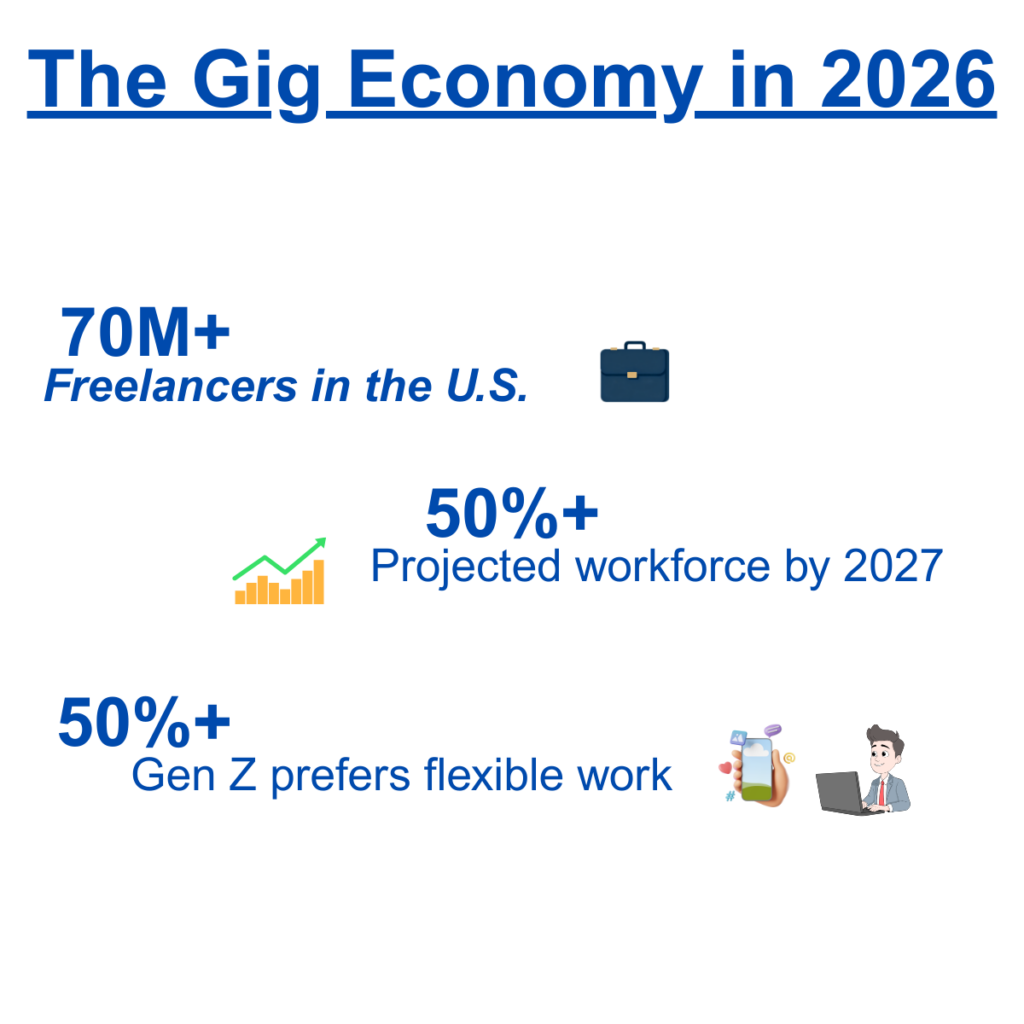
More than 70 million Americans now freelance in some form.
Experts project freelancers will become the majority of the U.S. workforce by 2027.
And Gen Z? Over half prefer flexible or freelance work over traditional 9–5 jobs.
This is not a side trend.
Across Industries, this is a Big Change.
The Rise of Gig Work in 2026
The rise of gig work means one thing: talent has options.
Skilled professionals are no longer dependent on one employer.
Many professionals now build multiple income streams.
Across industries, they take on diverse projects.
Instead of jobs, they choose assignments.
For employers, this changes everything.
The question is no longer:
“How do we hire full-time staff?”
But now the question is:
“How do we build flexible, multi-source teams?”
Why Multi-Source Teams Work
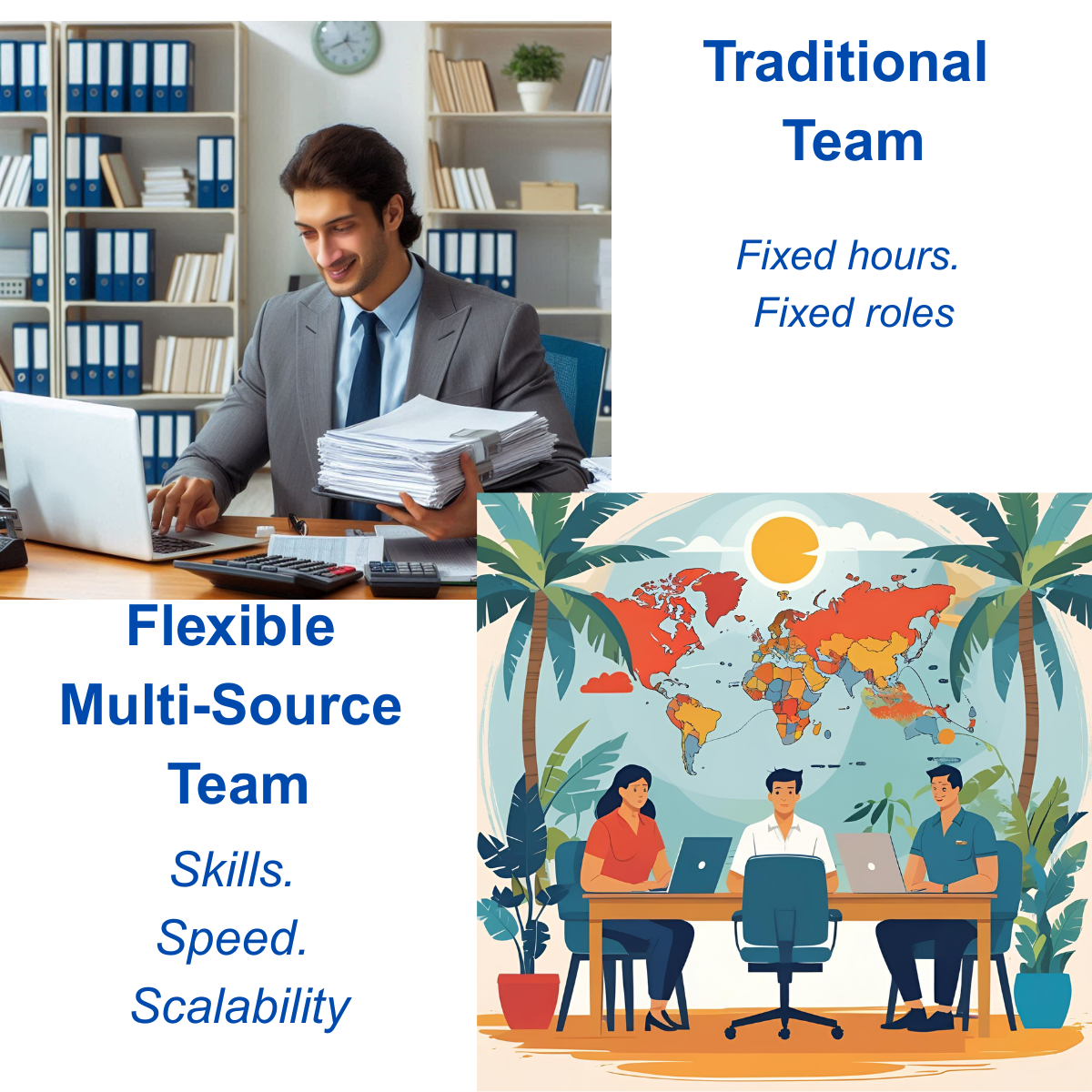
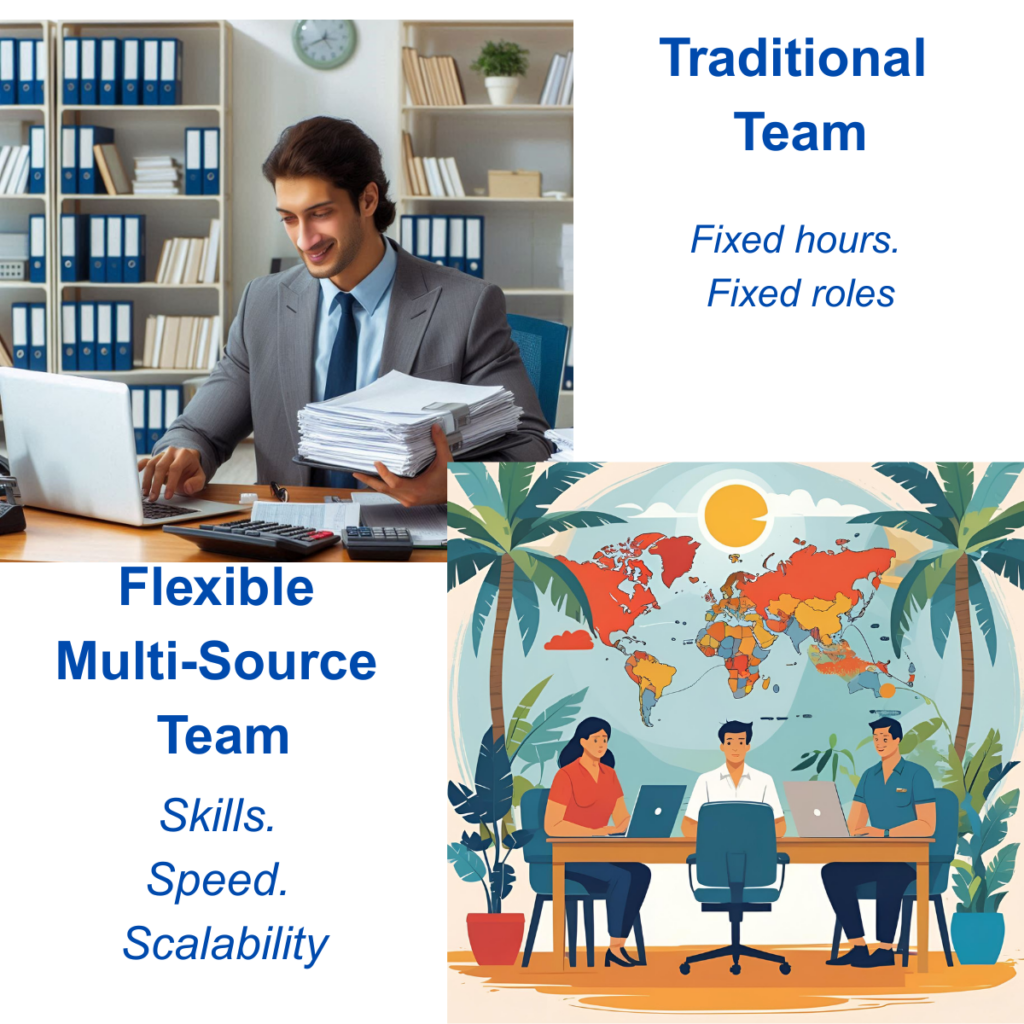
A traditional team relies on fixed roles.
A flexible team relies on expertise.
One employee = one skill set.
Three freelancers = three specialized skill sets.
This creates:
• Faster problem solving
• Lower overhead
• More innovation
• Greater ability to grow.
Instead of hiring for permanence, companies hire for performance.
And that change matters.
What Employers Must Change in 2026
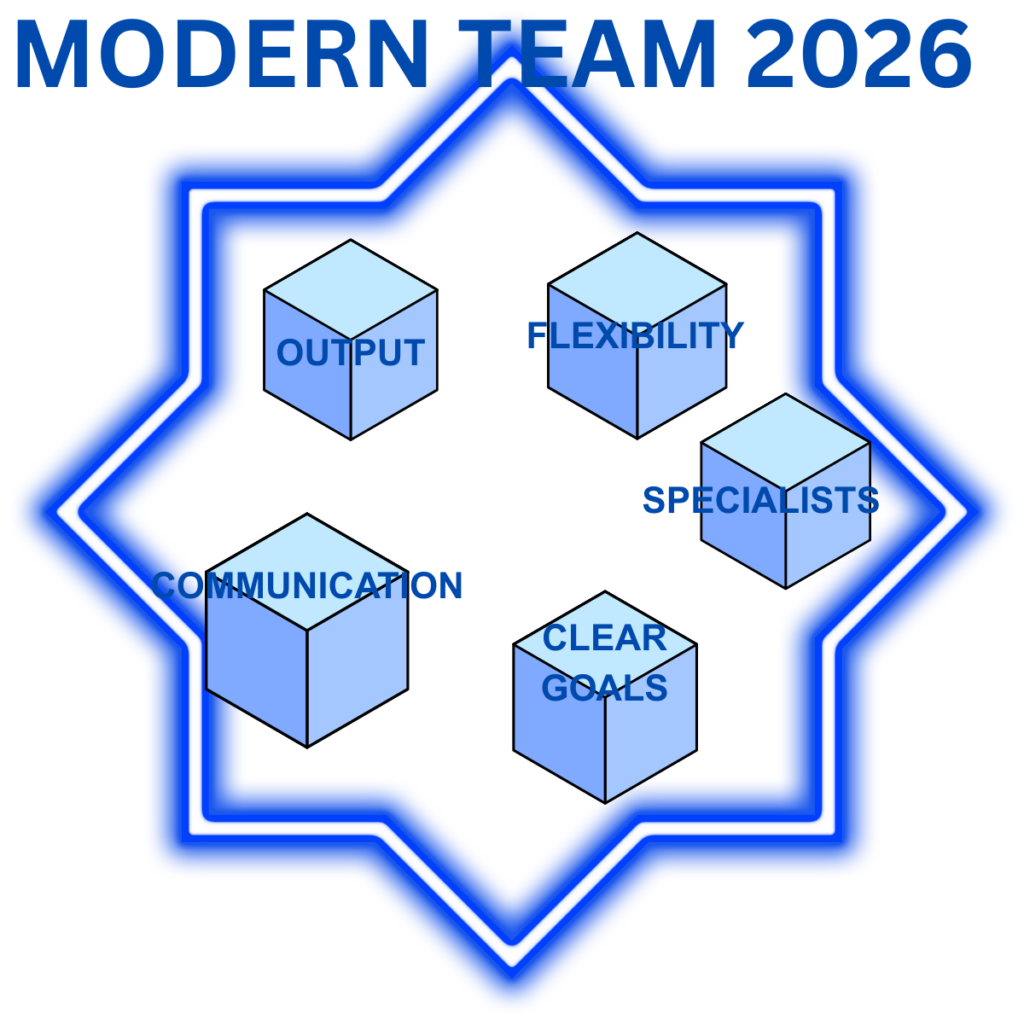
1. Focus on Output, Not Hours
Side-hustle talent does not care about clocking in.
They care about delivering results.
Clear scope.
At the same time, clear deadlines.
Consequently, clearer outcomes.
Ambiguity kills productivity.
If expectations are vague, meetings multiply.
No one wants that.
2. Make Flexibility a Selling Point
Flexible professionals are evaluating you.
They ask:
Is this client clear?
Is this team organized?
Will I be trusted?
If your offer is “stable job, long hours, fixed schedule,”
top gig talent will move on.
Freedom attracts.
Trust retains.
3. Communicate Like a System, Not a Startup
Flexible teams thrive on structure.
Not red tape.
Structure.
Define roles.
At the same time, define ownership.
That means, defining feedback cycles.
When communication is clean, execution is fast.
What This Means for Hiring
The Gig Economy in 2026 forces companies to rethink staffing plan.
It is no longer about filling seats.
Instead, it’s about accessing skill.
Loyalty contracts matter less than value exchange.
Companies that adapt gain:
• Access to global talent
• Reduced hiring risk
• Increased agility
• Edge
Companies that resist?
They struggle to attract top performers.
Because top performers want flexibility.
Final Thoughts: Adapt or Compete With Reality
The Gig Economy boom is not temporary.
It reflects a deeper shift in what workers want
People want autonomy.
And they want diversity of work.
At the same time, people want control over their income.
Smart employers do not fight this.
They design around it.
They build multi-source teams.
And focus on clarity.
Finally they measure results.
And they win – Big Time !!
$$$$$$$$$$$$$$$$$$$$$$$$$$$$$$$$$$$$$$$$$$$$$$$$$$$$$$$$$$$$$$$$$$$$$$$$$$$$$$$$$$$$$$