
Pay Transparency Laws 2026: Employer Compliance
Estimated Reading Time 3 min read
Pay Transparency Laws 2026: Employer Compliance is mandatory for US companies right now. These upcoming rules are making salary details front and center in job postings, internal moves, and more—no more guessing games about pay.
If you’ve felt salary talks were a minefield before, Pay Transparency Laws 2026: Employer Compliance turns that into a clear path forward. Skipping compliance isn’t smart; it risks hefty fines, lawsuits, or a hit to your reputation.
If you’ve been treating pay like a hidden treasure map, it’s time to update your map because these rules are here to stay. Ignoring them could mean big fines or bad press. Let’s break it down simply so you can get compliant without losing your mind.
Let’s walk through what employers really need to know in simple terms to stay ahead and compliant in 2026.
Why Pay Transparency Laws 2026 Matter Now
These laws push companies to be open about pay ranges in job ads, promotions, and sometimes even internal chats. It’s like finally admitting the salary isn’t decided by a magic eight ball. The goal? Fairer workplaces and less guessing for job seekers. Humor aside, getting this wrong can hurt your reputation faster than a bad Zoom background
How Many Workers Are Affected?
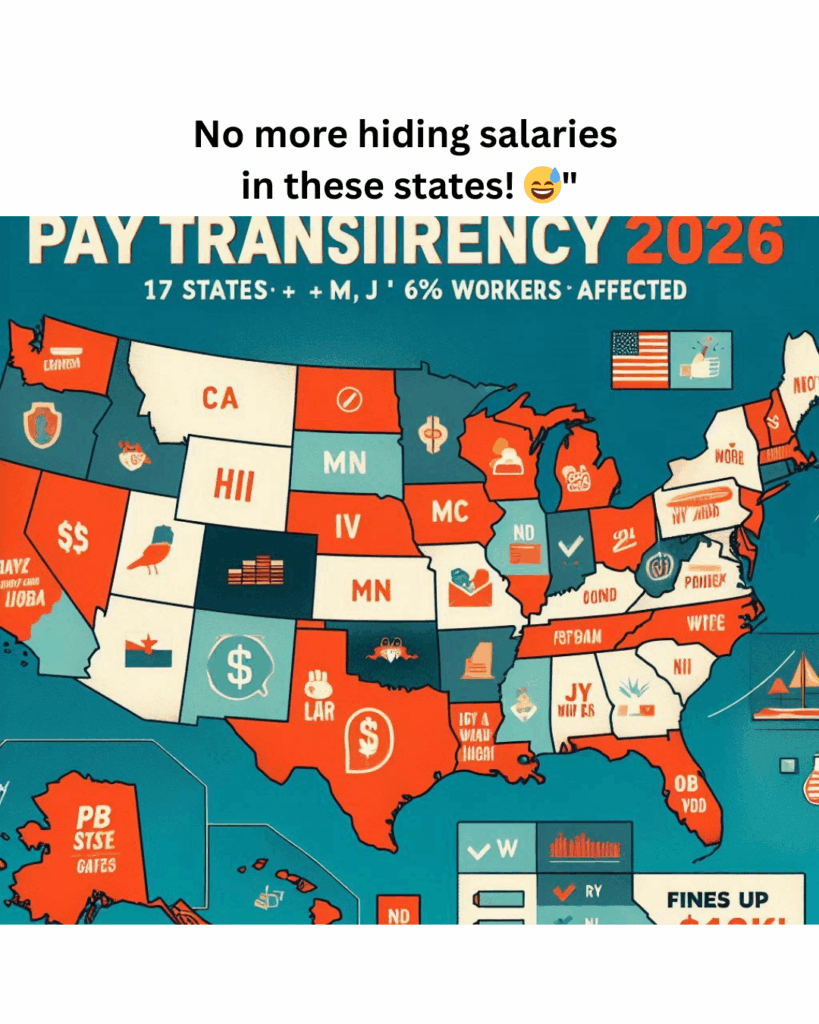
By 2026, pay transparency laws cover a big chunk of the US workforce. Estimates show nearly 50% to 65% of American workers could fall under these rules, thanks to laws in 16+ states plus places like Washington, D.C. (Source: Trusaic 2025 report and Lif HCM 2026 guide). That’s millions of people—and likely your team too if you hire remotely or in multiple states.
Key Requirements Employers Can’t Ignore
Most laws require salary ranges in job postings. Some add benefits info or ban asking about past pay. Rules vary by state—California wants “good faith” estimates starting 2026, while Colorado has been strict for years.
Remote jobs? Many states say if someone can work from there, the law applies. It’s a patchwork quilt, so check your locations.
The Real Impact on Wages
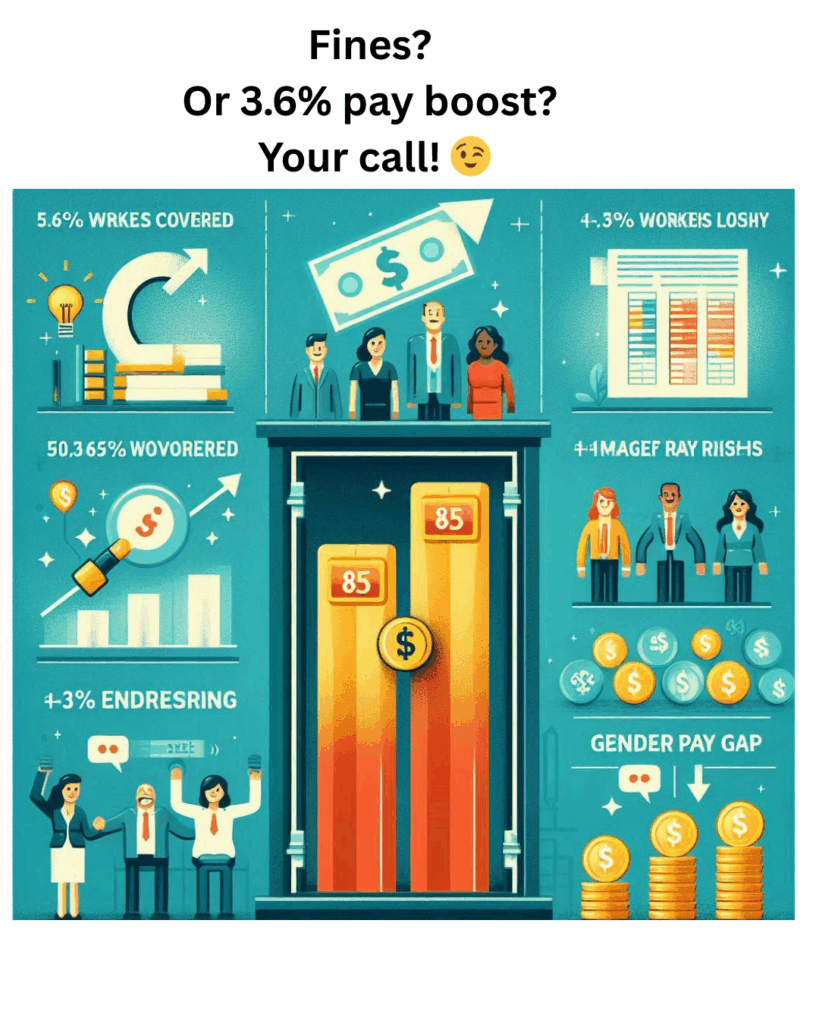
Pay transparency isn’t just talk—it moves the needle. Studies show disclosed salaries rise by about 3.6%, and actual earnings go up 1.3% for everyone, even current staff. (Source: The Interview Guys 2025 research). Think of it as free market magic that helps close gaps without drama.
Statistic 3: Closing the Pay Gap
These laws help fight unfair pay differences. In states with transparency rules, the gender pay gap has shrunk—like Colorado dropping seven cents since 2021 (women now at 85 cents per dollar). (Source: Women’s Foundation of Colorado report).
It’s not perfect, but it’s progress employers can lead.
How to Get Ready Without the Headaches
- Audit your pay data now—spreadsheets are your friend.
- Update job postings with clear ranges.
- Talk to a lawyer for your state’s quirks (don’t guess!).
- Turn this into a win: Open pay builds trust, boosts morale, and attracts great talent.
Embracing pay transparency laws 2026 isn’t just about rules—it’s smart business.
What’s your biggest worry or question?
Drop a comment below. Let’s chat and stay ahead together!
====================================================================