AI in HR : Superpower or Super-Problem ?
Estimated Reading Time 3 min read
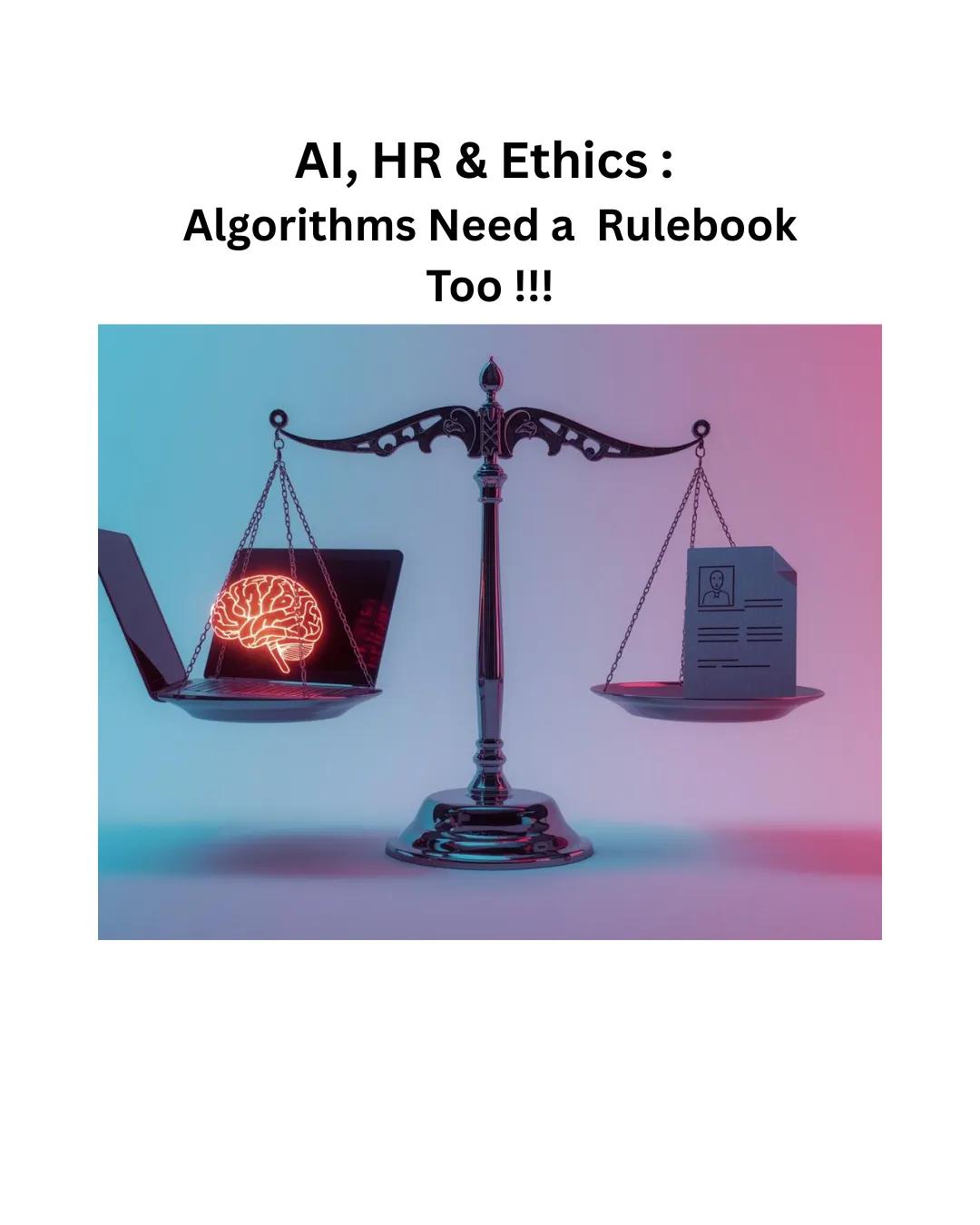
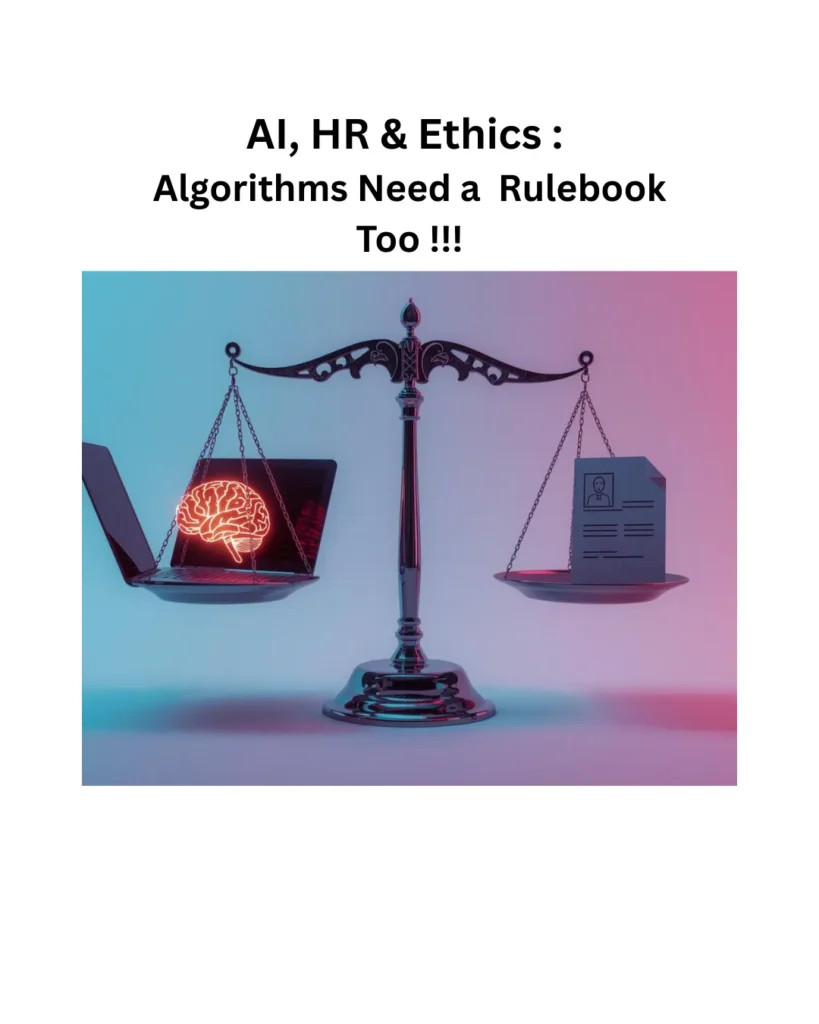
AI, HR & Ethics : Algorithms need a rulebook too
In one of my previous blogs, one reader highlighted this line:
“AI in HR is making HR faster, smarter, and a lot more fun — but with great power comes great responsibility. That’s why smart companies are already thinking about how to use AI ethically and fairly through clear corporate AI policies. But that’s a story for another day…”
Well, today is that “other day.”
Let’s talk about AI in HR – the ethics, and why HR needs to play referee when algorithms get too excited.
AI is everywhere these days. It’s writing emails, scheduling interviews, screening résumés, and sometimes even telling us when to drink water. In HR, it’s making life faster, smarter, and — dare I say — more fun.
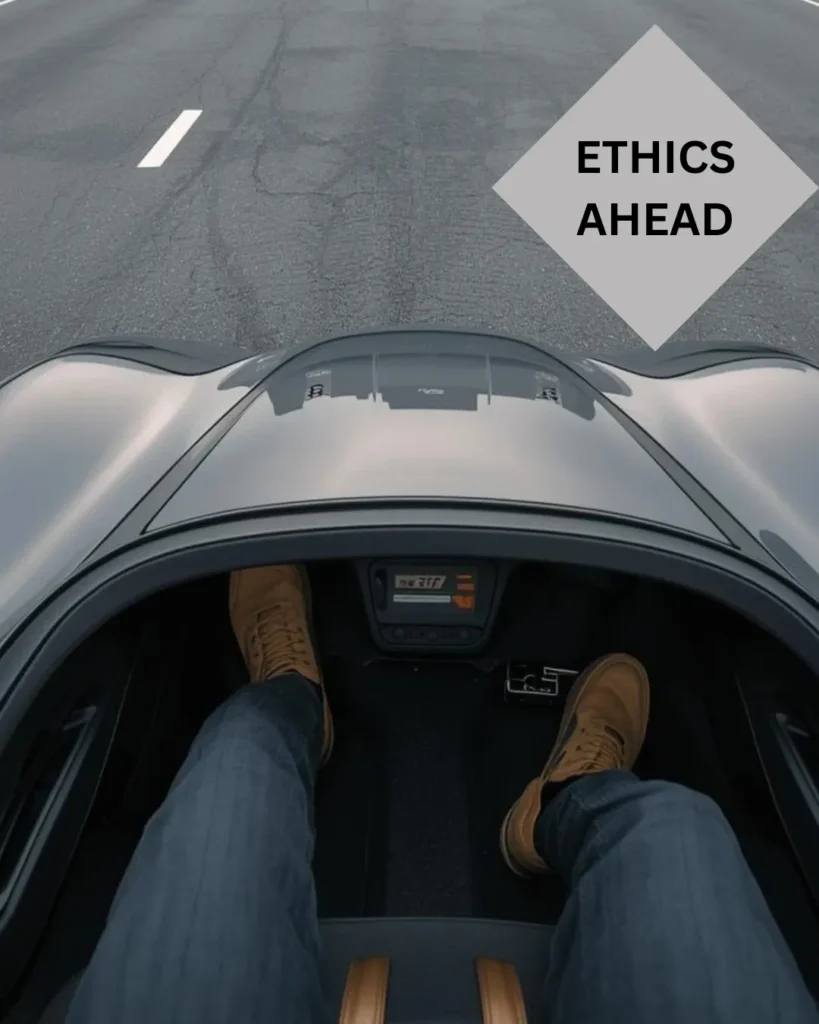
But here’s the twist. With great algorithms come great responsibilities.
If AI is the shiny new Ferrari in HR’s garage, we need to learn the brakes, not just the accelerator.
Food for thought :
“AI can dazzle, AI can wow,
But ethics must steer the wheel somehow.”
That’s why smart companies are already drafting clear corporate AI policies. They’re asking tough but simple questions:
- How do we ensure fairness?
- Who’s accountable if AI gets it wrong?
- Can we explain the “why” behind AI decisions to candidates?
AI and ethics: because smart tech still needs smart humans
These days, more companies are moving beyond aspirational slogans and actually putting ethical AI to work.
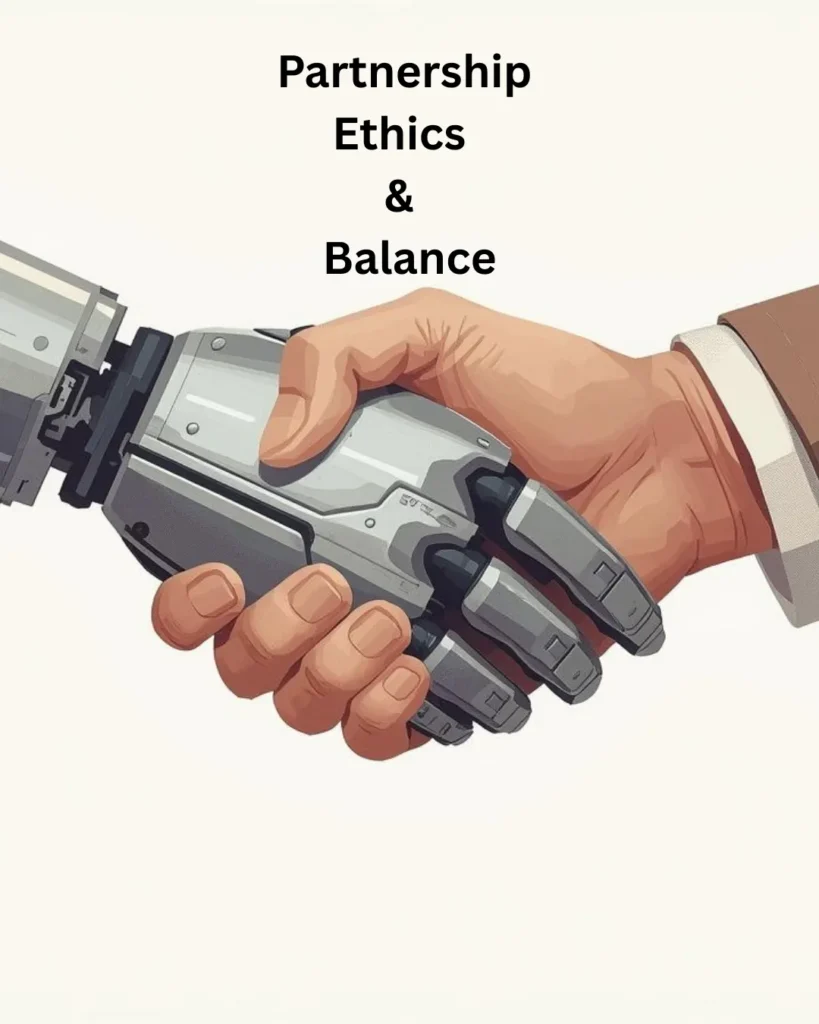
- IBM leads the charge with its Trusted AI initiative and the open-source AI Fairness 360 toolkit, helping developers catch and correct bias before it sneaks into hiring or performance reviews. Resource. Workable
- Accenture rolls with a Responsible AI Framework, six guiding principles (think fairness, accountability, transparency), and even its own AI Ethics Committee to vet AI decisions. Resource. Workable
- Over at Unilever, every new AI use case goes through an AI Assurance process — think questionnaires, risk checks, and a semi-AI assessor — to make sure the tech behaves before it’s deployed. MIT Sloan
- Scotiabank in Canada took it further — rolling out an internal Data Ethics team, mandatory ethics education, and an automated ethics assistant to pre-approve AI use cases. MIT Sloan
- And in India, Tata Consultancy Services (TCS) and Infosys are making waves. TCS focuses on transparency — telling employees exactly how AI impacts hiring and evaluations. Infosys makes data privacy their North Star, building trust by actively explaining its AI practices to its own people. ILMS.Academy
These are not sci-fi fantasies. These are real companies that use AI in HR— with policies, tools, and teams ensuring ethical AI isn’t just talk.
Think about it.
An AI tool can shortlist candidates in seconds. Great! But what if the data it was trained on carries hidden biases? Suddenly, your “fast” and “smart” hiring tool is unknowingly leaving out talented people because of gender, background, or zip code.
naaah… Not so fun anymore.
This isn’t about scaring HR folks into throwing their AI tools away. It’s about using AI wisely — keeping the human touch in Human Resources. After all, the best workplaces are built on trust, empathy, and fairness… not just algorithms.
“Machines may help us sift and sort,
But humans give the final report.”
So, where do we go from here?
* Treat AI like an enthusiastic intern — super useful, occasionally clueless, always in need of guidance.
* Set rules, be transparent, and never forget the human behind the résumé.
* Because in the end, AI is a tool.
The responsibility (and the fun) is still ours.